What’s Your Skin Type? A Simple Guide to Understanding Your Skin
Choosing skincare is easier when you understand what your skin needs. Does it feel tight after cleansing? Become shiny during the day? Or seem dry in some places and oily in others?
Skin is commonly described as dry, oily, combination or balanced, often called “normal”. Sensitivity can occur alongside any of these types, and your skin’s needs can change with the seasons, age, hormones and daily routine.
Here’s how to recognise the main skin types and build a gentle routine around yours.
Dry skin
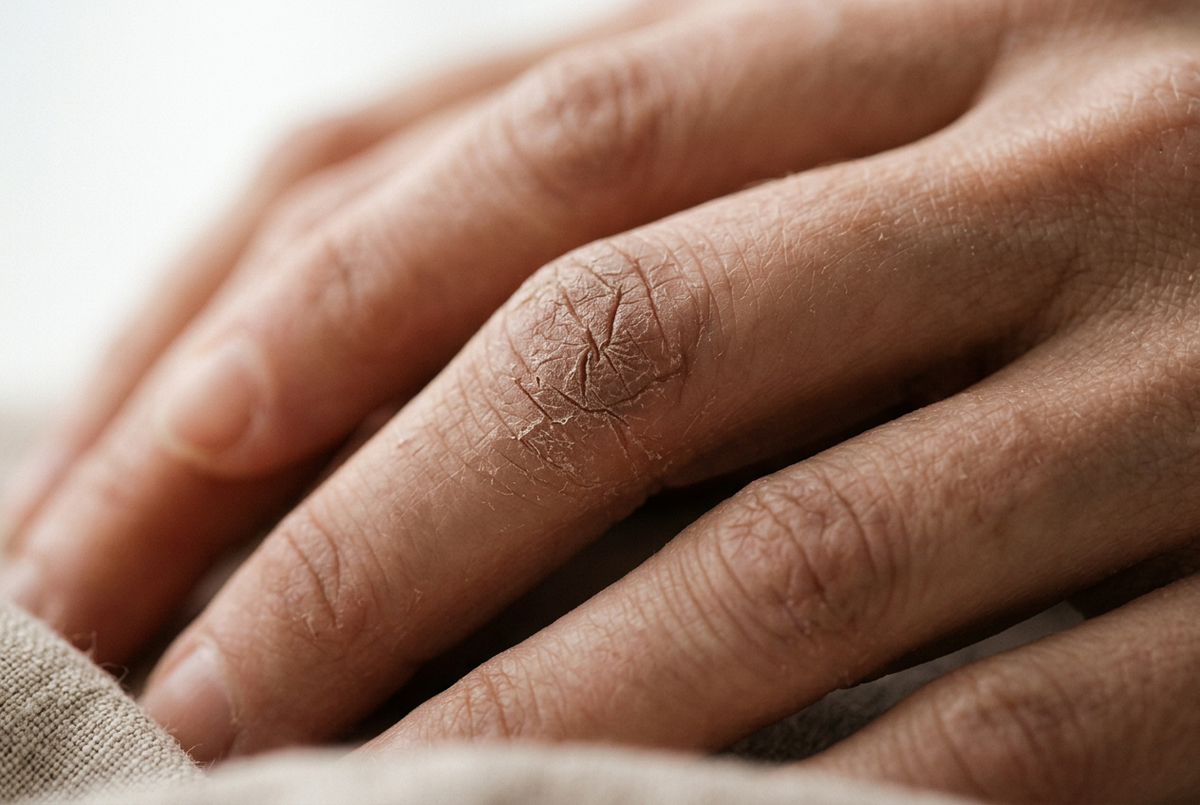
Dry skin produces less oil than it needs to feel comfortable. It may feel tight, look dull or develop flaky patches. Fine lines can also look more noticeable when the skin is dry.
The aim is to cleanse without stripping the skin and replenish moisture with a comfortable moisturiser. Look for formulas containing ingredients such as glycerin, shea butter and plant oils, depending on what your skin tolerates.
Keep your routine simple: gentle cleansing, moisturiser and daily sun protection. Avoid scrubbing flaky areas aggressively, as this can make irritation worse.
Oily skin
Oily skin produces more sebum, the skin’s natural oil. You may notice shine across much of your face, more visible pores and a tendency towards blackheads or blemishes.
It can be tempting to wash frequently or use strong, drying products, but a gentler approach is usually more comfortable. Cleanse regularly without over-washing, and choose a lightweight moisturiser rather than skipping hydration altogether.
Oily skin can still become dehydrated, so reducing oil and maintaining moisture aren’t the same thing.
Combination skin
Combination skin has different needs in different areas. The forehead, nose and chin, often called the T-zone, may become oily, while the cheeks feel balanced or dry.
Rather than treating your whole face as oily or dry, adjust your routine where needed. You might prefer a lighter layer of moisturiser across the T-zone and a little more on drier areas.
A gentle cleanser and a flexible approach can be more useful than a complicated routine.
Balanced or “normal” skin
Balanced skin generally feels comfortable, without persistent dryness or excess oil. Its texture may feel relatively even, although occasional blemishes, dryness or sensitivity can still happen.
The word “normal” doesn’t mean perfect, and other skin types aren’t abnormal. It simply describes skin that is reasonably balanced.
Maintain that comfort with gentle cleansing, moisturising as needed and daily sun protection. There’s no need to add lots of products if a straightforward routine is working well.
Where does sensitive skin fit in?
Sensitive skin is often discussed as a separate skin type, but it can accompany dry, oily, combination or balanced skin.
Signs can include stinging, burning, itching or redness after using certain products or encountering environmental triggers.
If your skin is easily upset, introduce one new product at a time and look for a simple, fragrance-free routine. Essential oils and botanical ingredients can also cause reactions, so “natural” doesn’t automatically mean suitable for sensitive skin.
Persistent or worsening irritation is worth discussing with a pharmacist, GP or dermatologist.
Dry or dehydrated: what’s the difference?
Dry skin lacks oil, while dehydrated skin lacks water. That means any skin type, including oily skin, can become dehydrated.
Dehydrated skin may feel tight or look dull even when the surface appears shiny. Gentle cleansing and a moisturiser that helps attract and retain water can help support comfort.
Rather than trying to identify your skin from one symptom, look at how it behaves over time.
How to get to know your skin
Observe your skin on a typical day, rather than immediately after exercise, a hot shower or a new treatment.
After gentle cleansing, notice whether your face feels comfortable or tight. Later in the day, check where shine develops and whether any areas become dry. Don’t deliberately leave uncomfortable skin without moisturiser just to test it.
Repeat these observations over several days. Weather, heating and changes in your routine can all affect what you notice.
Build a routine around comfort
Whatever your skin type, start with the basics: a gentle cleanser, a moisturiser suited to your needs and broad-spectrum SPF 30 or higher during the day.
Add products gradually, following their instructions, and give your skin time to adjust. More products don’t necessarily mean better results.
At Apothespa, you can explore cleansers, moisturisers, facial oils and discovery boxes to find a routine that suits you. The best starting point is understanding your skin, then choosing products that help it feel comfortable and cared for.
This guide provides general skincare information and isn’t a diagnosis. Seek professional advice for persistent irritation, sudden changes or an ongoing skin concern.