
Artikel: Rosacea
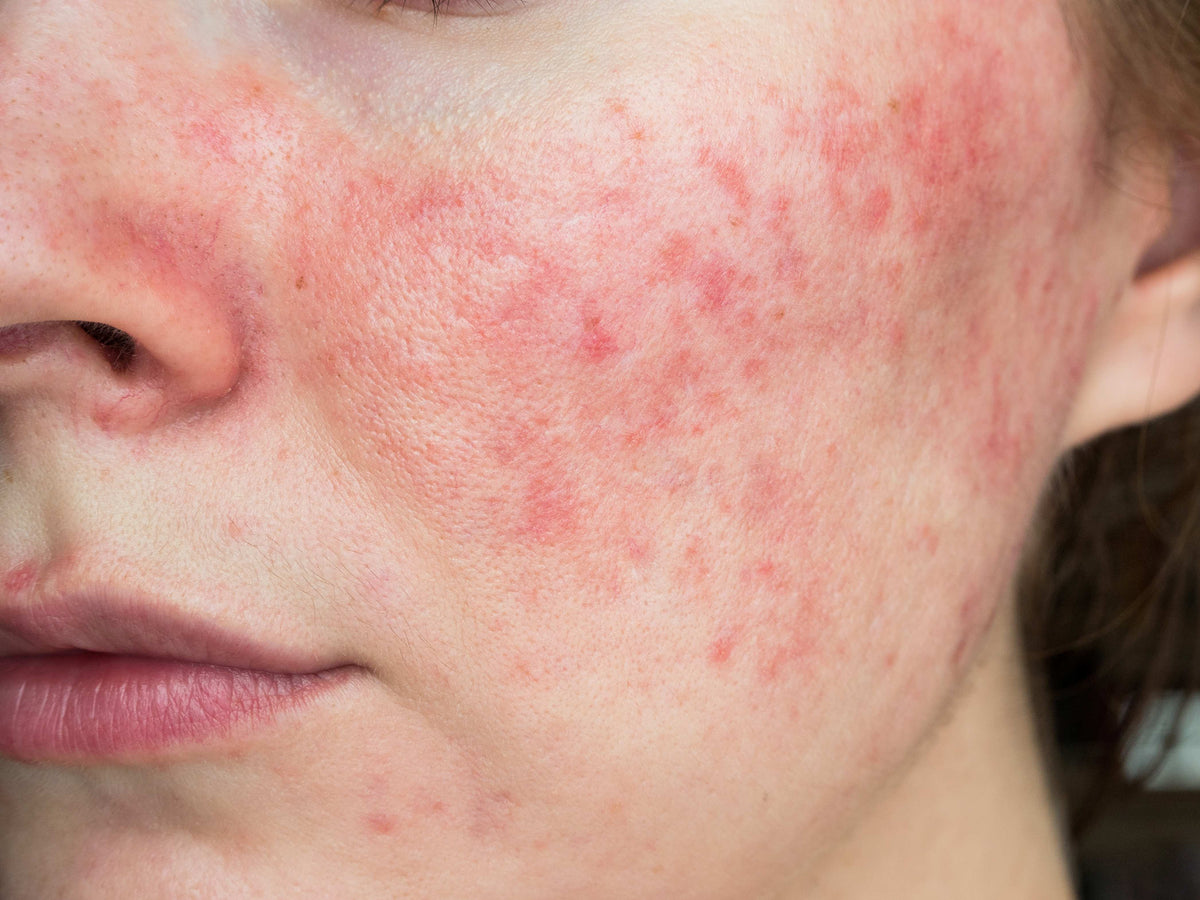
Rosacea
Rosacea is a common skin condition characterized by persistent redness, visible blood vessels, and sometimes small, pus-filled bumps on the face. It typically affects the cheeks, nose, forehead, and chin, though it can spread to the ears, chest, and back. The condition often develops gradually, beginning with frequent flushing or blushing that becomes more persistent over time.
This chronic inflammatory disorder tends to appear in adults between the ages of 30 and 60, and is often called the Celtic Curse, affecting fair skinned blue eyed individuals more often, though it can affect people of any age or skin tone. Rosacea impacts the way the skin on the face looks and feels so it can be emotionally distressing and impact quality of life if left unmanaged. The exact cause remains unclear, so a cure is not possible, but managing the condition certainly is.
Types of Rosacea
Rosacea presents in four main subtypes, and individuals may experience one or a combination of these:
- Subtype 1 (Erythematotelangiectatic): Characterized by persistent facial redness and visible blood vessels (telangiectasia). Flushing is common, and the skin may feel warm or burning.
- Subtype 2 (Papulopustular): Features redness combined with acne-like bumps and pustules. This type is often mistaken for acne, though comedones (blackheads or whiteheads) are not present.
- Subtype 3 (Phymatous): The most severe form, involving thickened skin, enlarged pores, and a bumpy texture. The nose may become enlarged and bulbous—a condition historically called "whiskey nose," though it has no connection to alcohol consumption.
- Subtype 4 (Ocular): Affects the eyes, causing redness, irritation, dryness, and grittiness. This subtype can lead to vision problems if untreated.
What Does Rosacea Look Like?
The appearance of rosacea varies depending on severity and subtype. Early stages typically present as frequent flushing—a sudden reddening of the face that may feel warm or hot. As the condition progresses, the redness becomes more constant and concentrated on the central face.
Visible blood vessels (telangiectasia) may become apparent, appearing as fine red or purple lines across the affected areas. Some individuals develop acne-like bumps and pustules without the blackheads associated with traditional acne. The skin may feel rough, tight, or sensitive, and some people report a burning or stinging sensation.
In more advanced cases, the skin thickens and develops a bumpy, textured appearance. The nose can become visibly enlarged and rounded, and the skin may develop a darker, more densely red tone. Eyes may appear bloodshot or watery, particularly in ocular rosacea.
Is Rosacea Curable?
Currently, there is no cure for rosacea, but it can be effectively managed with the right combination of treatments and lifestyle adjustments. Early diagnosis and intervention are key to preventing progression and minimizing symptoms.
Treatment options include topical medications such as metronidazole, azelaic acid, and sulfur-based products that reduce inflammation and redness. Oral antibiotics, particularly low-dose doxycycline, are often prescribed for their anti-inflammatory properties rather than their antibiotic effects. Laser and light-based therapies such as IPL (Intense Pulsed Light) can effectively reduce visible blood vessels and persistent redness. Taking antibiotics for rosacea is sometimes needed but mostly considered a last resort. For ocular and advanced rosacea it may be needed. However rosacea may return once antibiotics are stopped.
Identifying and avoiding personal triggers—such as spicy foods, hot beverages, extreme temperatures, stress, or certain skincare products—plays a crucial role in management. A gentle skincare routine using fragrance-free, non-irritating products and consistent sun protection can significantly improve symptoms and prevent flare-ups.
Rosacea has been found to respond well to high antioxidants. Apothespa's rosacea lotion and rosacea gel include Green Tea Extract, Vitamin C and Liquorice Extract, all powerful antioxidants. These work together to increase the cell turnover, helping to manage rosacea naturally.
With proper care and treatment, most people with rosacea can achieve significant improvement in their symptoms and maintain clearer, more comfortable skin over the long term.

